
The three stages of healing
Understanding what’s happening in your body and how to help it along.
When you injure yourself your body begins a natural repair process. Healing happens in three overlapping stages, and knowing about them can help you support recovery at each step.
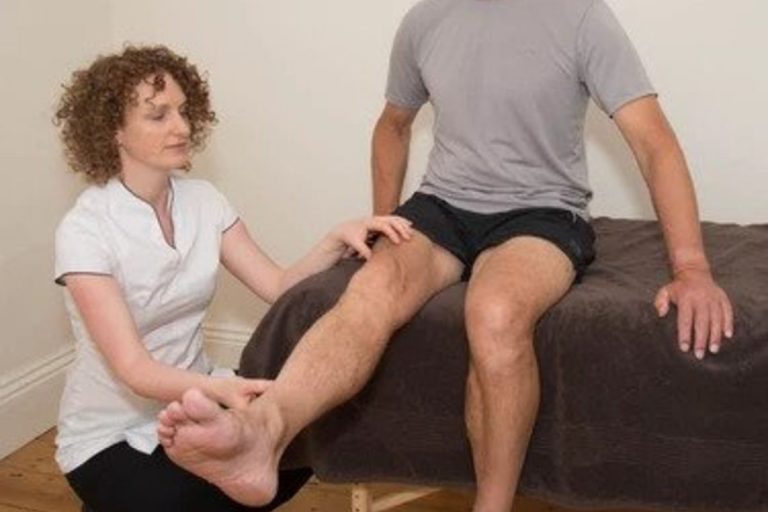
1. The early stage – inflammation (first few days)
Soon after an injury, the area may become red, warm, swollen and sore. This is your body’s way of protecting the area, stopping you from over-using it, and clearing away damaged cells so healing can begin.
What to do:
Rest the area, but don’t be completely still — gentle, pain-free movement helps circulation and prevents stiffness.
Use a cold compress for short periods if it helps with discomfort. For muscle strains, gentle heat may be helpful after the first couple of days to ease tightness.
Avoid pushing through pain or heavy loading — it can aggravate tissues and slow recovery.
Keep the area supported and comfortable, but try to stay mobile in the rest of your body.
2. The repair stage (roughly 1–3 weeks)
Over the next few weeks, your body starts to lay down new tissue — mainly collagen — to repair what was damaged. Swelling should start to settle, although the area may still feel weak, tight, or sensitive if overloaded.
What to do:
Continue gentle, comfortable movement each day to encourage circulation and guide the new tissue to form in the right pattern.
Begin optimal loading — this means gradually reintroducing light use of the injured area rather than strict rest. Small, pain-free movements and functional activities (such as easy walking, light stretching, or simple tasks) help stimulate stronger repair.
Avoid sudden or heavy strain; discomfort that eases quickly is usually fine, but sharp or lasting pain is a sign to ease back.
3. The strengthening stage (from about 3 weeks onward)
As healing continues, the new tissue becomes stronger and more flexible. Collagen fibres start to align along lines of stress, restoring normal function. This phase can last several months depending on the tissue and the type of injury.
What to do:
Gradually increase activity, focusing on posture, movement control, and confidence in the injured area.
Add progressive strengthening or resistance exercises as comfort allows. Controlled loading helps tissue mature and reduces the risk of re-injury.
Include gentle stretching, balance, and endurance work as strength returns.
Be patient — full recovery takes time, and steady progress is more effective than rushing back to normal activity.